TRISTAN DESECHENESFilm / Television / Production leadership
Menu
Editorial illustration of Santo Domingo architecture at dusk

Produce in the Dominican Republic

International ambition.
Dominican perspective.

Explore the production opportunity with the creative standard, budget logic and client experience in view.

Editorial location illustration, not a confirmed filming location or permit.

Production leadership / Local context

The right place.
The right plan.

A location decision is a production decision. Start with what the project needs, then make the local requirements and responsibilities understandable.

Tristan brings a Dominican production perspective to international conversations. Through Tris222, the focus is project readiness, production partnerships, market entry and cross-border coordination.

High-end production value and a considered client experience are planning priorities. Discuss the creative brief alongside travel, accommodation expectations, communication, logistics and the production support your team requires.

Specific suppliers, amenities, crews, locations and permissions are confirmed only within an agreed project scope.

Where the conversation can begin

Define the need.
Then build
the scope.

These are inquiry categories within the Film Producer service, not fixed-price packages.

Project readiness.

Clarify the concept, intended audience and materials already in place. Identify the questions preventing progress and discuss development or packaging priorities appropriate to the current stage.

Starting point: what is ready, what is missing and what needs a decision.

Production planning.

Explore where a producer relationship could support the creative and operational work. Discuss scope, collaborator needs, budget assumptions, schedule dependencies and the responsibilities an engagement would cover.

Starting point: a defined production need and a clear division of responsibilities.

Market entry & local coordination.

Consider Dominican market entry and co-production opportunities in the context of the wider project. Establish the local questions, partner expectations and specialist input needed before commitments.

Starting point: format, intended scope, approximate timing and local support requirements.

Audience & brand alignment.

For brands and agencies, connect campaign purpose with culturally credible entertainment, scope and deliverables. For platforms and distribution partners, begin with project fit, readiness and rights clarity.

Starting point: a relevant audience and a defined partnership purpose.

Responsibilities, deliverables, availability and fees are agreed for each engagement after the proposed role is understood.

Working approach

Clear decisions.
Shared direction.

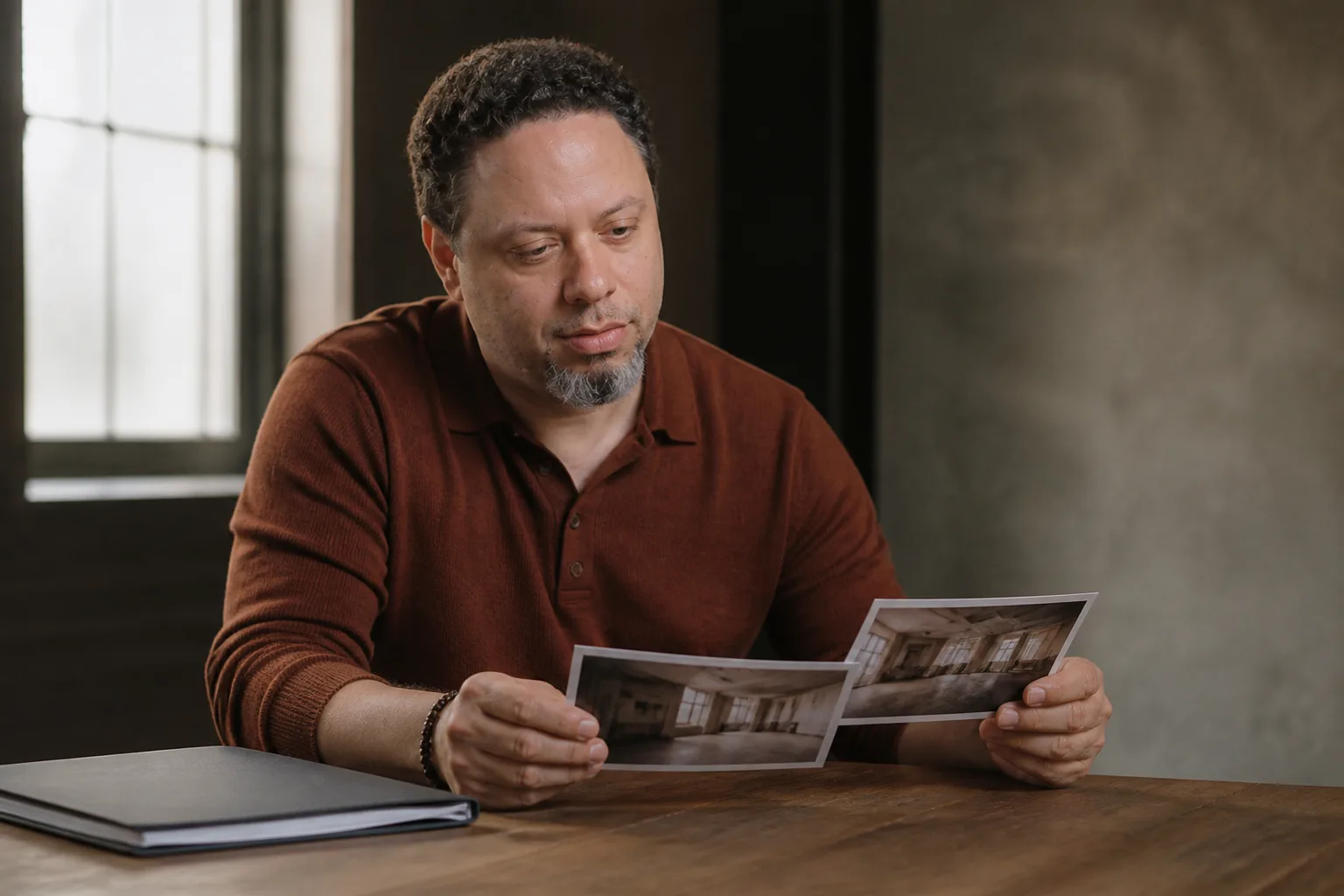
Commissioned editorial photograph of Tristan reviewing location photographs at a preparation table
Staged editorial working portrait. No past project or meeting is depicted.
  1. Understand the brief.

    Begin with the story or campaign purpose, intended audience, current stage and support requested. Separate confirmed information from working assumptions.

  2. Define the need.

    Identify the decision that matters now: development readiness, production scope, local collaboration or partnership fit. Flag questions that need specialist advice.

  3. Align the responsibilities.

    Discuss the proposed role, deliverables, working expectations and commercial terms. Agree the scope before an engagement begins.

  4. Move with a shared plan.

    Proceed with the agreed work and relevant collaborators. Keep dependencies, changes and important decisions visible as the project develops.

Cross-border partnerships

Different partners.
One clear purpose.

International producers.

Bring the ambition and the practical questions. A Dominican production conversation should clarify intended scope, local support and the division of responsibilities, rather than leaving them as assumptions.

Dominican, Caribbean & Latino creators.

Explain what is distinctive about the story, what currently exists and where development or production leadership would make a meaningful difference. Cultural character should remain part of the production plan.

Brands & agencies.

Connect the campaign objective to a culturally relevant creative idea, realistic scope and the deliverables the audience and business need.

Platforms, distributors & co-production partners.

Begin with project format, current readiness, rights position, intended market and a defined partnership purpose. Financing conversations are welcomed without promises of funding or placement.

Incentives are part of the assessment

Review the opportunity.
Before you rely on it.

Incentive questions need their own legal, accounting and production review. Make the assumptions visible before they become budget commitments.